How to Lock Your Credit Report in Quebec For Free
A note: This article is slightly off-topic for a home lab blog, but I felt compelled to include it. As someone interested in taking control of technology and infrastructure, you should also take control of your personal financial security. This includes protecting yourself from identity theft and Quebec’s law makes it free to do so. Credit bureaus want to hide this fact. Let’s expose their tactics.
Why You Should Lock Your Credit Report
Identity theft is a real threat. If someone steals your personal information, they can potentially open new accounts in your name: credit cards, loans, phone contracts, mortgages. By the time you discover it, you are already liable for thousands of dollars in fraudulent debt.
A credit lock (also called a credit freeze) prevents lenders and creditors from accessing your credit report for the purpose of opening new accounts. When a fraudster tries to apply for a credit card in your name, the credit bureau will respond: “This credit file is locked. Access denied.”
This is effective. This is free. And it’s legal in Quebec.
The Problem: Credit Bureaus Want Your Money Too
Here is the truth: Equifax and TransUnion offer free credit locks in Quebec because the law requires them to. Bill 53 (the Credit Assessment Agents Act) mandated this starting February 1, 2023.
But these companies do not like giving away protection for free. So they have deliberately made their websites confusing. They hide the free option and push you toward expensive monthly subscriptions for “identity protection” services.
I learned this the hard way: I accidentally signed up for a TransUnion subscription and was charged $25 immediately without warning that it would recur monthly. Finding the hidden link to unlock my credit for free took far more effort than it should have. When I returned to confirm my credit was locked, I nearly subscribed a second time because the website kept trying to funnel me into their paid services.
This is predatory design. It preys on people who do not have time to navigate corporate mazes. But you are here now, so let’s explain it correctly.
How to Lock Your Credit Report
You need to lock your credit with both Equifax and TransUnion separately. One lock alone is not enough. Here is the correct process for each:
Step 1: Lock Your Equifax Credit Report
Direct link: https://my.equifax.ca/consumer-registration
- Visit https://my.equifax.ca/consumer-registration
- You should see a message confirming you have chosen “Equifax Free Credit Report & Score”
- Create an account or log in with your credentials
- On your dashboard, locate the section labeled “Credit Lock Status”
- Click “Manage Credit Lock”
- Click the red “LOCK” button
- Confirm your action by clicking “LOCK” again
- You will receive a confirmation page. Your credit is now locked.
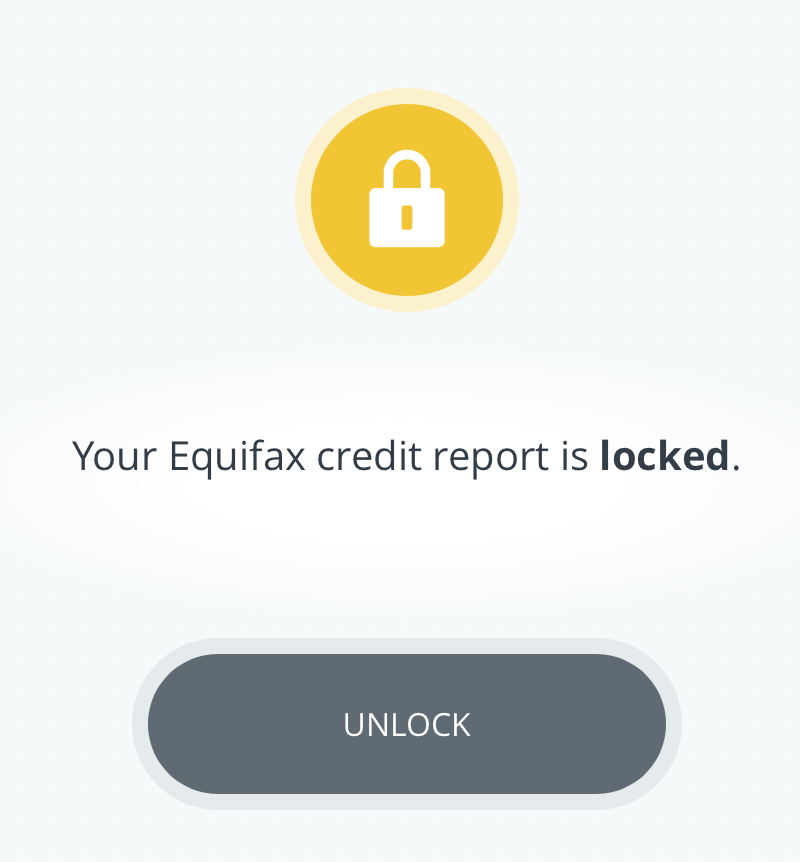
Important: Do not get distracted by Equifax’s paid product offers. You are using the free version. Ignore the advertisements.
Step 2: Lock Your TransUnion Credit Report
This is where it gets tricky. TransUnion’s website is intentionally confusing. They will try to get you to pay for their “monitoring” service. Only use the link below to access the free option.
Direct link (for the free option): https://secure-ocs.transunion.ca/
- Visit https://secure-ocs.transunion.ca/
- Log in or create an account
- Look for the section labeled “Manage Credit Freeze” (not “Monitor Your Credit” or other paid options)
- Click “Continue” to manage your freeze
- Click the button to “Freeze Your Credit”
- Confirm your action
- You will receive confirmation. Your credit is now locked with TransUnion.
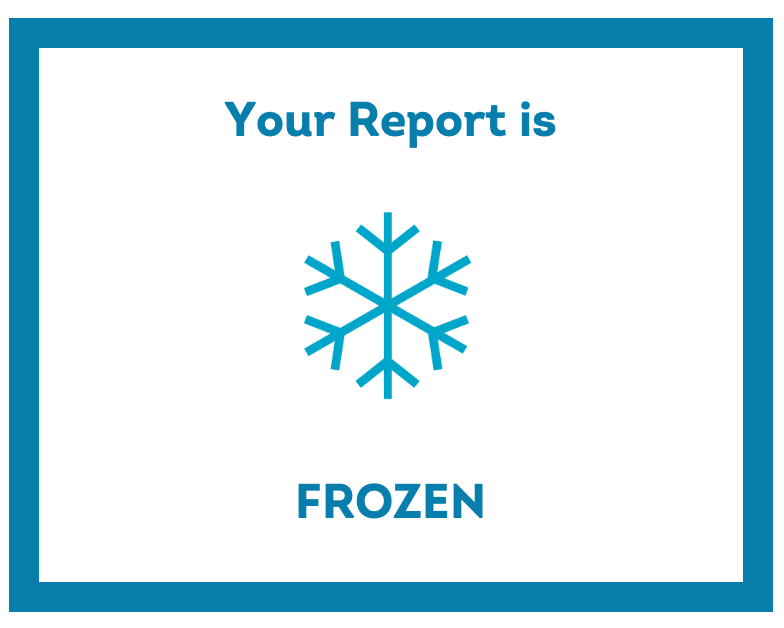
Important warning: TransUnion will try to charge you for additional services. Do NOT provide your credit card information unless you are intentionally subscribing to a paid product. The free credit lock requires only your identity verification and no payment.
Important Notes About Credit Locks
Once your credit is locked, remember:
- You will need to unlock it before applying for new credit. This includes: new credit cards, loans, mortgages, car leases, phone contracts, or mortgage renewals
- Unlocking is free and takes minutes. Both companies allow you to unlock temporarily (for a set number of days) or permanently. Just log back into your account and click “Unlock”
- Your credit score will not be affected. The lock only prevents new account applications. Existing creditors can still monitor your account
- The lock never expires. It stays in place until you remove it yourself
Conclusion
This entire guide would not be necessary if credit bureaus played fair. Equifax and TransUnion are required by law to provide credit locks for free, yet they have built websites specifically designed to confuse you into paying for it.
This is the defining characteristic of how they operate: They profit from information asymmetry. They know that most people do not have time to navigate hidden links and confusing interfaces. They are counting on you to give up, hand over your credit card, and accept a monthly charge for something you have a legal right to get for free.
The fact that it took effort to find the correct URLs and write this guide so that even I remember it proves how deceptive these companies are. The very ones that are supposed to protect us do not hesitate to prey on our behavior and basically steal our money.
By locking your credit, you’re doing two things:
- Protecting yourself from identity theft, which is really important
- Refusing to let these companies extract money from you through deception, you have the right to this protection. Take it.
Additional Resources
- Equifax Canada: https://my.equifax.ca/ and https://www.equifax.ca/personal/quebec-exceptions-offers/
- TransUnion: https://secure-ocs.transunion.ca/